

Integral Eye Movement Therapy Glasgow For Trauma + Anxiety
Less Talking, More Resolution
Integral Eye Movement Therapy (IEMT) is a fast and effective therapy that utilises simple eye movements to reduce intense negative emotions associated with specific traumatic memories which results in a significant improvement in mental and emotional clarity.
When something painful happens, the emotional impact can become “stuck” in the nervous system. Instead of feeling like something that happened in the past, it continues to show up in the present through anxiety, emotional reactions, and negative beliefs about yourself. IEMT helps the brain reprocess these emotional imprints so they lose their intensity and no longer feel intrusive.

IEMT uses guided eye movements to reprocess stuck patterns.
IEMT uses specific eye movement patterns to help your brain finally process what it couldn't at the time.
The emotional charge releases. The trigger loses its power. Your nervous system updates: That was then. This is now. I don't need to react this way anymore.
You don't have to relive the trauma. You don't have to narrate every detail. Your brain does the work - safely, naturally and often surprisingly fast.
What it helps :
Trauma & PTSD
Single incident trauma (accidents, attacks, medical procedures)
Complex trauma from childhood experiences
PTSD symptoms including flashbacks, nightmares, hypervigilance
Emotional numbness or disconnection following trauma
Anxiety & Panic
Generalised anxiety that seems to come from nowhere
Panic attacks and agoraphobia
Social anxiety and performance anxiety
Specific phobias and irrational fears
Emotional Blocks & Patterns
Persistent feelings of guilt, shame, or inadequacy
Anger that feels out of proportion to situations
Grief that won't resolve naturally
Emotional overwhelm and sensitivity
Identity & Self-Worth Issues
Deep-seated beliefs like "I'm not good enough" or "I'm not safe"
Imposter syndrome and chronic self-doubt
Perfectionism and fear of failure
Lasting Emotional Change Starts Here.
Calm replaces panic in everyday situations
Trauma is resolved without reliving painful memories
Emotional triggers lose their power
Physical anxiety symptoms significantly reduce
You regain confidence, clarity, and self-trust
Getting Started is Simple.
Just select a date and time that works for you to book your 90-minute session instantly.
In our time together, we will explore the support you need and begin making real, lasting changes.
How it works:
Select Your Appointment: Choose from the available times on the calendar.
Complete A Brief Form: This will help me prepare for our session.
Confirm Your Booking: Complete the payment step to secure your appointment.

Featured Article.
"IEMT vs Traditional Therapy: Why Eye Movements Work When Talking Doesn’t"

Published by The Association of IEMT Practitioners

IEMT Research
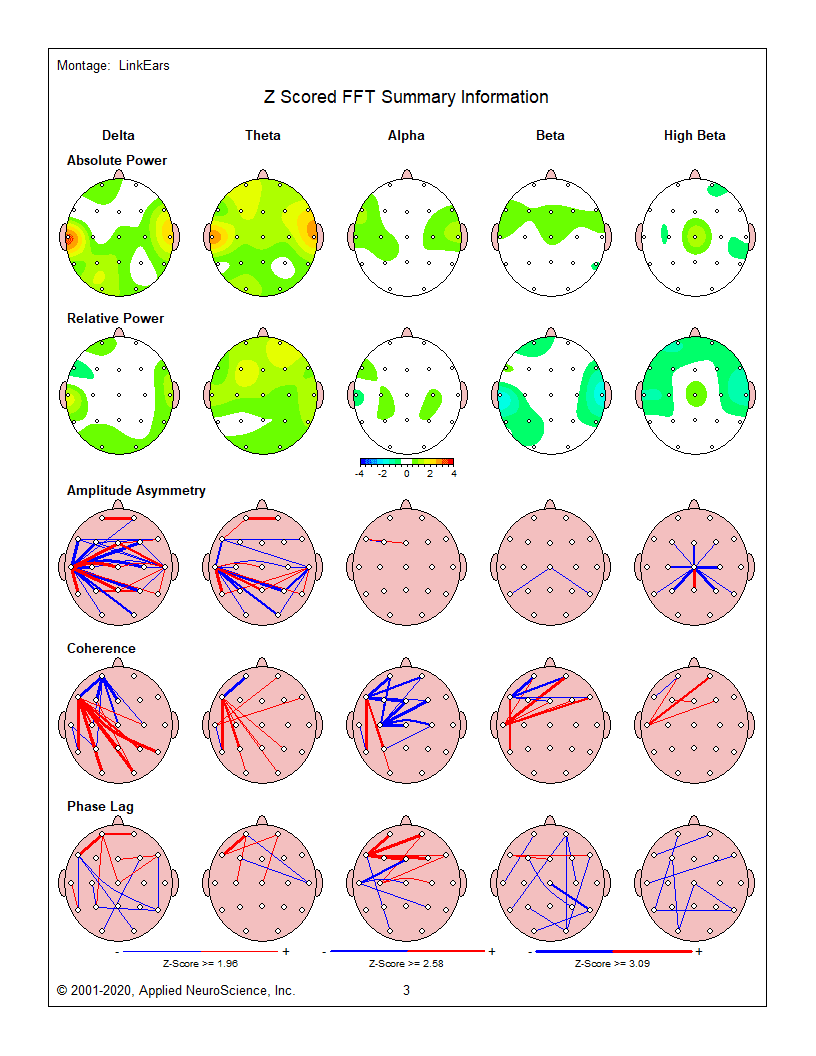
Before IEMT Session
After IEMT Session
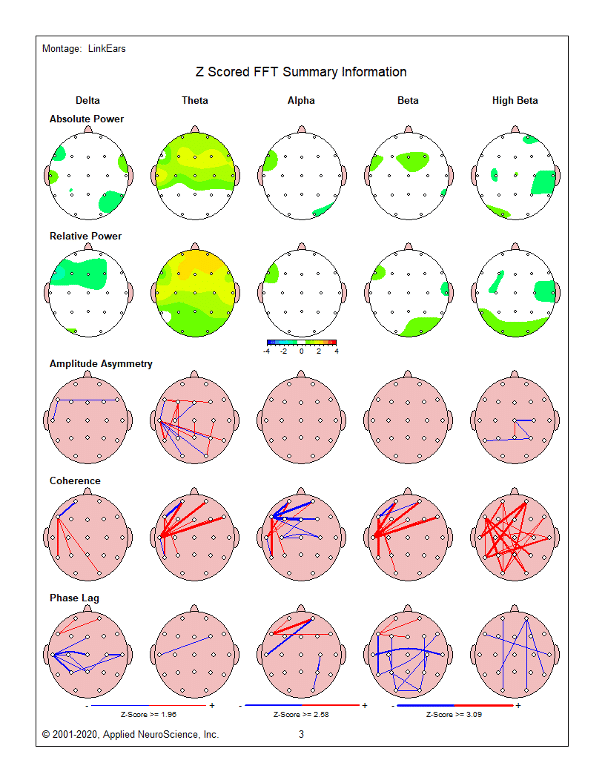
20 Minutes after session
Anne ten Brinke and Vera van der Laan gave several IEMT sessions at the Brain Clinic in Wamel, Netherlands in July 2023 during which the brain was measured before and after using a QEEG scanner. Luuk van Leur, director of the Brain Clinic (Centre for Neurofeedback), mentioned that he had never seen such a remarkable change in just one session before.
Above you can see anonymized images of the QEEG brain scans before and after an IEMT session.
The top two rows provide a general impression of the brain's health in different areas.
For the first two rows: The whiter, the healthier. In the first row of the very first image, you can see hotspots near the ears before the session starts.
These spots correspond to the activity of the amygdala. The first image shows significant emotional unrest. In the post-session image, you can see much less activity in the same area. In the first row, in the high beta frequency, there is a circle in the middle that corresponds to the brain's control center. A lot of energy is directed there.
In the post-session image, you can see that this area has almost disappeared. In both the first and second rows, after the session, you can observe a much calmer and healthier brain pattern overall.
In the bottom three rows, pink indicates the standard healthy colour. The lines in these images represent the connections between brain regions where there is either too much or too little energy. Where the balance and connections in the brain are good, you won't see any lines. The lines are blue when there is insufficient connection between brain areas and red when there is excessive activity in the connection.
According to the director of the Brain Clinic, the post-session image with many lines in high beta frequency shows that the brain is still very active in processing.
This is a result of immediate measurement after the session. Based on this data, neurofeedback is used to adjust which connections should be trained and which connections should be unlearned.
You can get a good understanding from these images that IEMT not only reduces emotional unrest but also promotes restoration of connections and balance in the brain.